
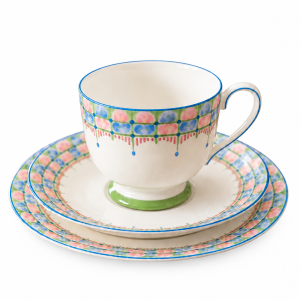
 Aynsley Handpainted Tea Trio c. 1930s
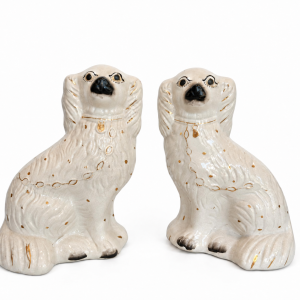 Staffordshire Spaniel Dogs c.1880
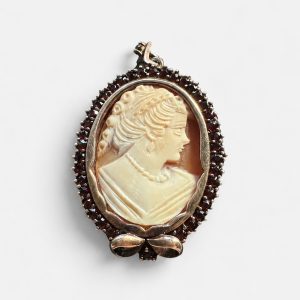 Vintage Garnet & Shell Cameo Brooch Pendant
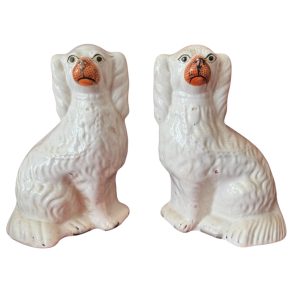 Staffordshire Spaniel Dogs c. 1860
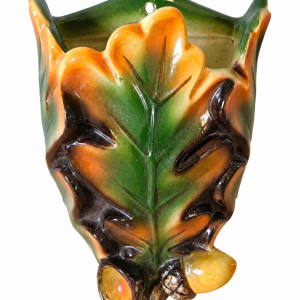 Goebel W. Germany Wall Pocket Vase 1957
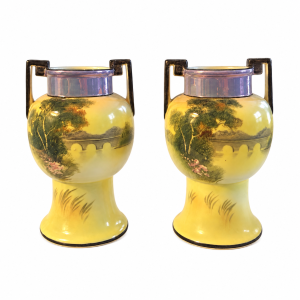 Noritake Pair Vases HandPainted c. 1920
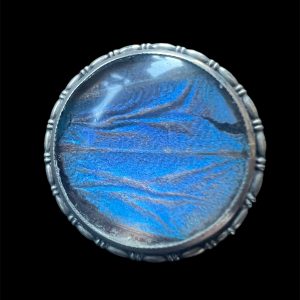 Art Deco1920s Silver Morpho Butterfly Wing Brooch
 Vintage 9ct Gold Sapphire, Opal & Diamond Cluster Ring size Q
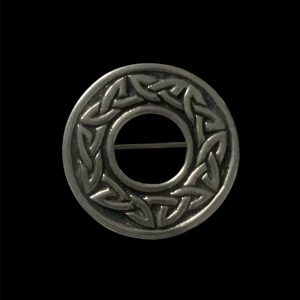 Inverness Provincial Silver Celtic Brooch Pendant Medlock & Craik 1957
The Tale of the Elephant Censer
A friend of mine (shared with his very gracious permission) bought a few pieces online and brought them round for a second opinion. These included what was listed as an "archaic elephant censer" (incense burner) with inlaid gemstones.
He saw it, fell in love, and bought it in two minutes flat. A total must-buy.
Buying from a screen, you are limited to photos and seller descriptions, so, settling down with a wee dram, we had a proper look. The elephant’s story quickly unravelled under our closer scrutiny: the supposed gemstones were coloured resin, and the metalwork lacked age and weight. It was ten or fifteen years old at most: vintage at a very big push and a shove.
Looking at the listing afterwards, I completely understood his haste. The evocative language and imagery conjured up traditional Asian temple rituals and auspicious energy from two or three hundred years ago. My brain was salivating dopamine, and that was before I even got to the stunning inlaid gemstones.
Once upon a time I was back in the twenty-first century, I had to inform my friend that, unfortunately, the piece did not match the grand narrative. And so, bracing myself, I set forth once again into the winding linguistic mists, to separate the sales talk from the statement of fact, because it’s the facts the piece has to live up to.
Sales talk vs. facts.
Sales Talk: The heading claimed gemstones.
Facts: This claim was rolled back to a "probably gemstones" further down the description.
Sales Talk: The terms "archaic" and "archaic style" were dotted around, with references to the archaic past.
Facts: There were no actual dates. Not even a circa. Not even a century.
So, what did my friend pay several hundred pounds for? He bought an "archaic style" censer that could potentially be dated anywhere from the Bronze Age to the afternoon he bought it, and inset with plastic resin blobs.
"Hindsight is a wonderful thing," sighed my friend, but I reassured him: it has happened to the best and worst of us, online and in person. Discussing how to protect our wallets and peace of mind, we set some rules:
1. Take your finger off the button: give yourself time for the dopamine to settle before you commit to buying.
2. Look for dates: seek out hard dates or centuries, rather than relying solely on style terms. Without a date, historical accuracy goes out the window, building provenance becomes impossible, and an object can earn a reputation it simply doesn't deserve.
3. Check the headline against the fine print: watch out for bold headline claims that quietly get downgraded to "probably" further down the text.
4. Ask questions in writing: ask the seller directly about dates and origins. Written answers should give you clarity before you buy, and a paper trail if anything goes wrong after.
Leaving to buy oils for his new modern incense burner, my friend joked, "Well, if life gives you lemons..."
To which I called after him, "Don't forget the lemon balm!"
Best wishes from
Check the Base HQ